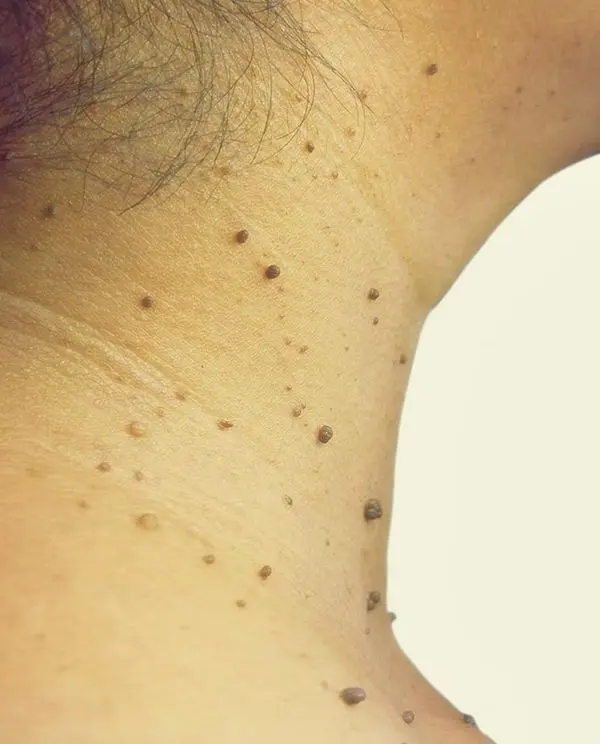
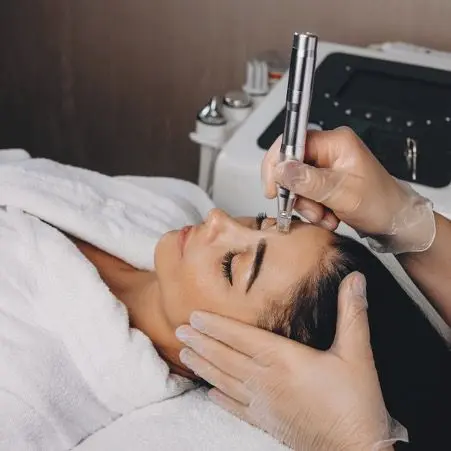
How is skin tag removal done at Skin Origins?
- Skin examination: Dr. Suvidha Reddy examines each growth to confirm it's a skin tag and not a mole, wart or other lesion.
- Choosing the method: Radiofrequency, electrocautery or cryotherapy is chosen based on the size and location.
- Numbing: A numbing cream or a small local anaesthetic injection keeps you comfortable.
- Removal: The tags are removed one by one with precise tools. Small tags take just seconds.
- Wound care: Any tiny bleeding is controlled and an antibiotic ointment is applied.
- Aftercare guidance: You get simple instructions to keep the area clean while it heals.
How should you prepare for skin tag removal?
There's very little preparation needed. Avoid applying creams, deodorant or makeup on the area on the day of treatment, and wear loose clothing if the tags are on your neck or underarms. If you take blood thinners, tell your doctor beforehand. Make a list of all the tags that bother you, including ones in less visible areas, so they can be checked and removed in the same visit.
How can you lower the chance of new skin tags?
New tags often appear in areas with friction. Keeping a healthy weight, managing blood sugar, and wearing breathable, well-fitted clothing can help. Regular skin checks mean new tags can be removed while they're still tiny, which is quicker and leaves less of a mark.
What results can you expect from skin tag removal?
The tags are gone immediately after the procedure. The treated spots form small crusts, which fall off on their own, leaving smooth skin underneath. Any pink marks fade gradually.
Most people are surprised at how quick and easy the procedure is. Neck, underarm and eyelid areas often look noticeably cleaner right away.
Photos taken before removal and at review help you see the difference clearly.